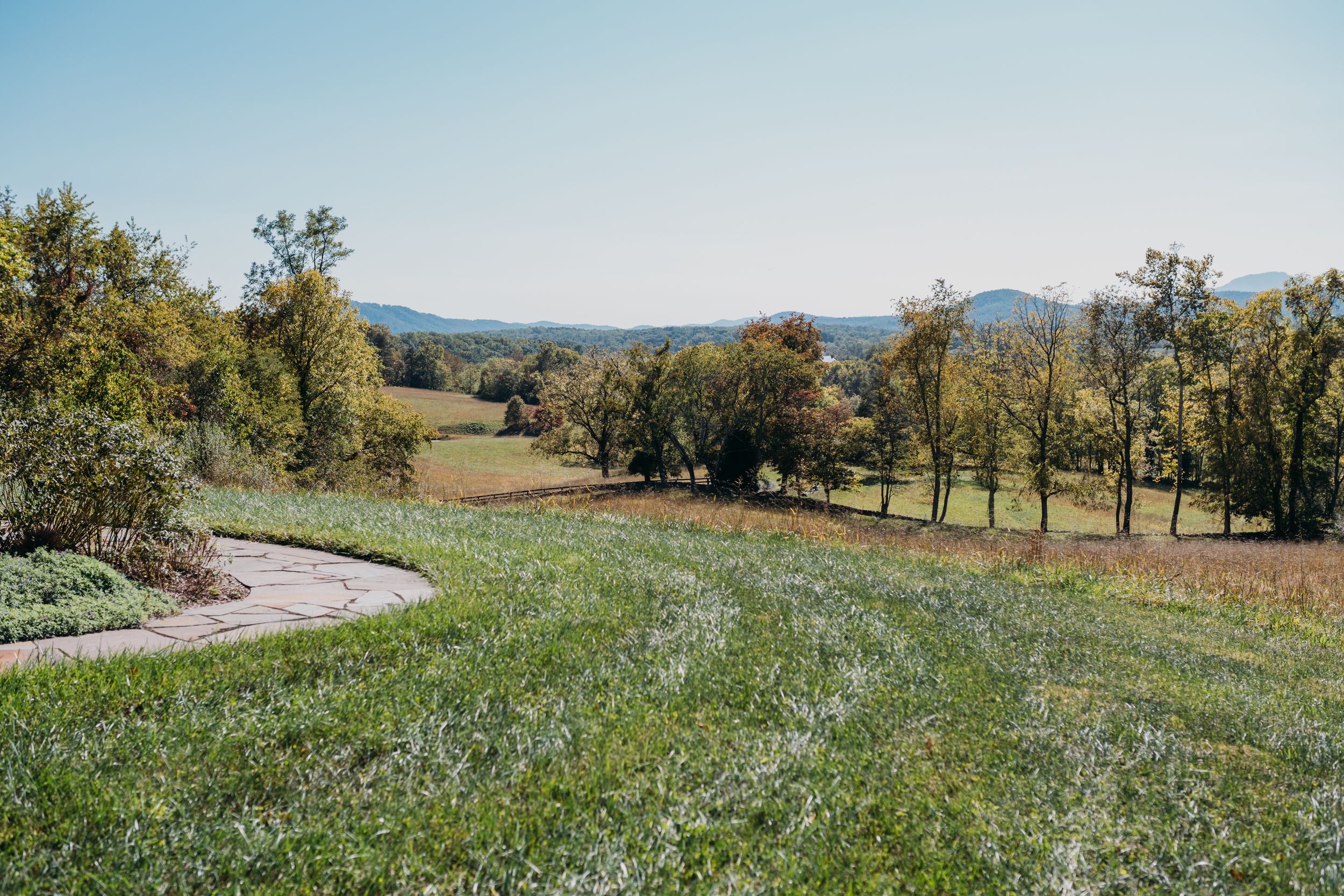
1. Understanding Local Zoning Laws and Building Regulations
Before you lay the first stone of your dream home in Rappahannock County, a deep dive into the local zoning laws and building regulations is essential. These regulations are not just bureaucratic formalities; they are designed to ensure that your home is safe, environmentally responsible, and in harmony with the community. In Rappahannock County, these rules can vary significantly depending on the specific area, whether it's a more rural setting or closer to town .
These laws cover a wide range of factors, including but not limited to, the size and height of buildings, setback requirements from property lines, and types of permissible structures. Additionally, it's crucial to understand the implications of building in certain areas, particularly if your property falls within historical districts or environmentally sensitive zones. Ignorance of these laws can lead to costly delays or modifications to your project, so it’s wise to consult with local zoning officials and perhaps even legal counsel to fully grasp what's required and permissible.
2. Choosing the Right Location
Finding the perfect plot in Rappahannock County is about more than just falling in love with a view; it's about how this location fits into your life. This choice impacts not just your daily living but also the long-term value of your investment. Factors to consider include proximity to local amenities like shops, restaurants, and healthcare facilities. For families, the quality and distance to schools are paramount. If you commute to work, consider access to main roads and public transportation. Additionally, think about the physical characteristics of the land. What is the topography of the site?
Are there natural features you want to preserve? How does the sun track across the sky relative to your plot? These factors not only affect your lifestyle but also how you will design your home. Furthermore, consider the future development of the area. What might Rappahannock County look like in ten, twenty, or thirty years? Will that serene view remain unobstructed, or is there potential for development that could change the landscape?
3. Budgeting Wisely
The financial aspect of building a new home is often the most daunting. A realistic and comprehensive budget is your blueprint for a successful project. Start with the obvious expenses: land acquisition, construction costs, and interior finishes. But don’t forget the less obvious: landscaping, utility connections, permits, and legal fees. It's also wise to research local property taxes and assess how they might affect your long-term budget. A contingency fund is essential; industry standards suggest an additional 10-20% of your overall budget to cover unforeseen expenses.
These could range from changes in construction material costs to alterations in design mid-project. Remember, the cheapest options are not always the most cost-effective in the long run. Investing in quality materials and skilled labor can save money on maintenance and repairs down the line. Consulting with a financial advisor who understands the local real estate and construction market can provide valuable insights into managing your budget effectively.
4. Selecting a Home Design that Complements the Landscape
The beauty of Rappahannock County’s landscape offers a unique opportunity to design a home that not only sits in the environment but interacts with it. When selecting your home design, consider how the house will look in different seasons. What will be the impact of fall foliage, winter snow, spring blooms, or summer greenery on your home’s appearance and functionality? Think about the orientation of your house – positioning for natural light can significantly affect heating and cooling costs, as well as your day-to-day comfort. The design should also respect the natural topography of the land.
Rather than extensive reshaping of the land, consider a design that adapts to the existing landscape, preserving natural features and reducing the environmental impact. Furthermore, local architectural styles and materials can influence your design choices, allowing your home to blend seamlessly with its surroundings and the local community’s aesthetic. Consulting with an architect who has experience in the region can be invaluable in achieving a home that is both beautiful and respectful of its setting.
5. Sustainable Building Practices
In today’s world, building sustainably is no longer a luxury but a responsibility. Rappahannock County, with its natural beauty and resources, is the perfect place to embrace eco-friendly construction practices. Start by considering materials that are locally sourced, renewable, or recycled.
This reduces transportation emissions and supports local businesses. When it comes to energy efficiency, the design of your home plays a crucial role. Incorporate features that maximize natural light and ventilation to reduce reliance on artificial lighting and climate control. High-quality insulation, energy-efficient windows, and thoughtful placement of trees for shade can significantly reduce energy consumption.
Where to Build?
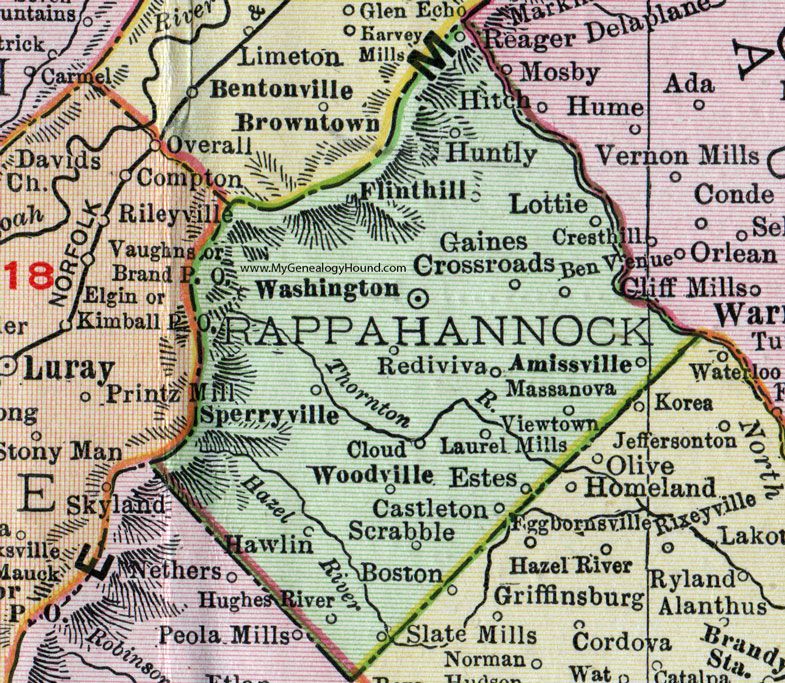
In Rappahannock County, VA, towns like historic Washington, artisanal Sperryville, scenic Flint Hill, outdoor-friendly Chester Gap, vineyard-rich Amissville, artsy Castleton, and tranquil Woodville offer unique settings for building a home. Each town boasts a blend of community spirit, natural beauty, and rural charm.
Picture Perfect
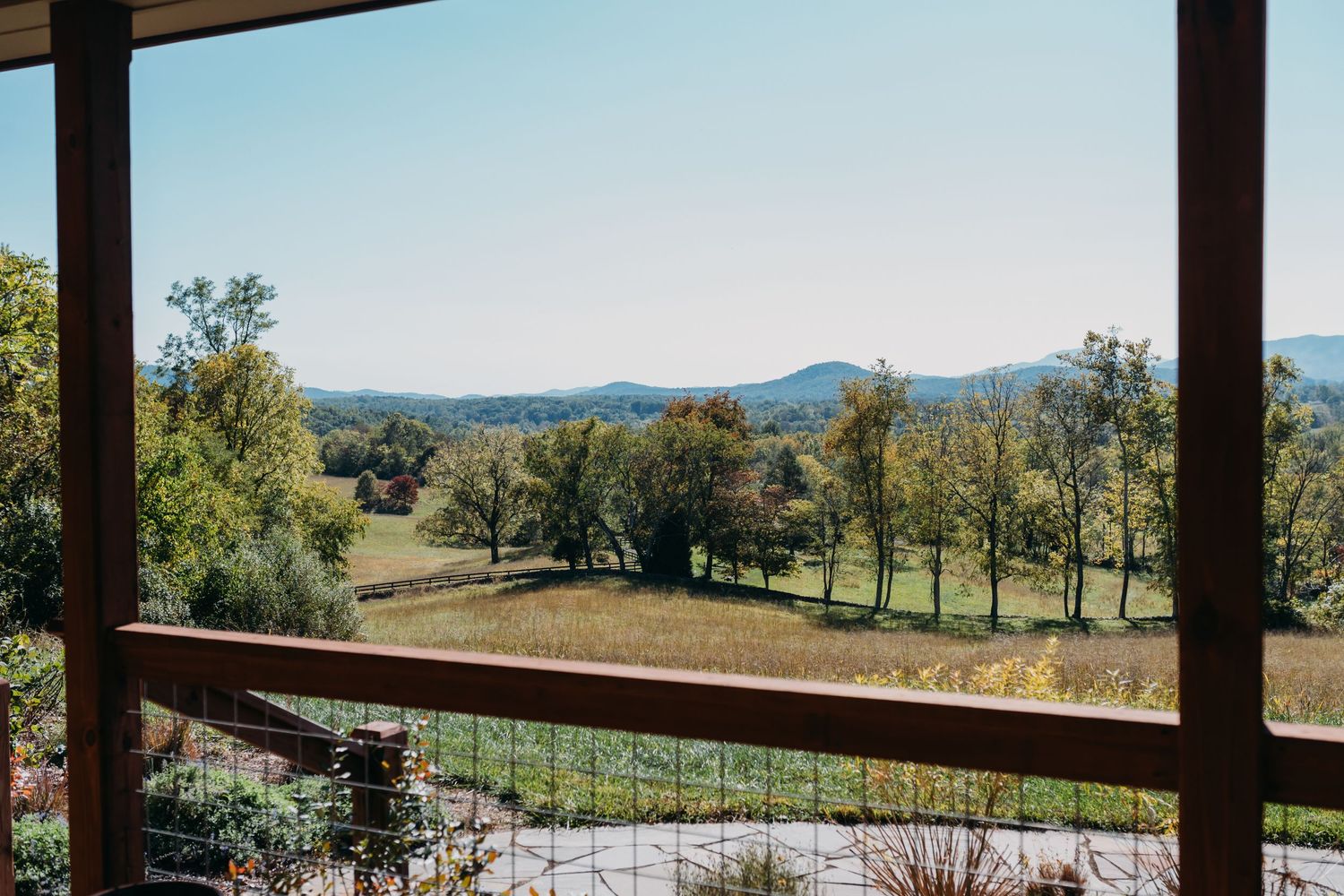
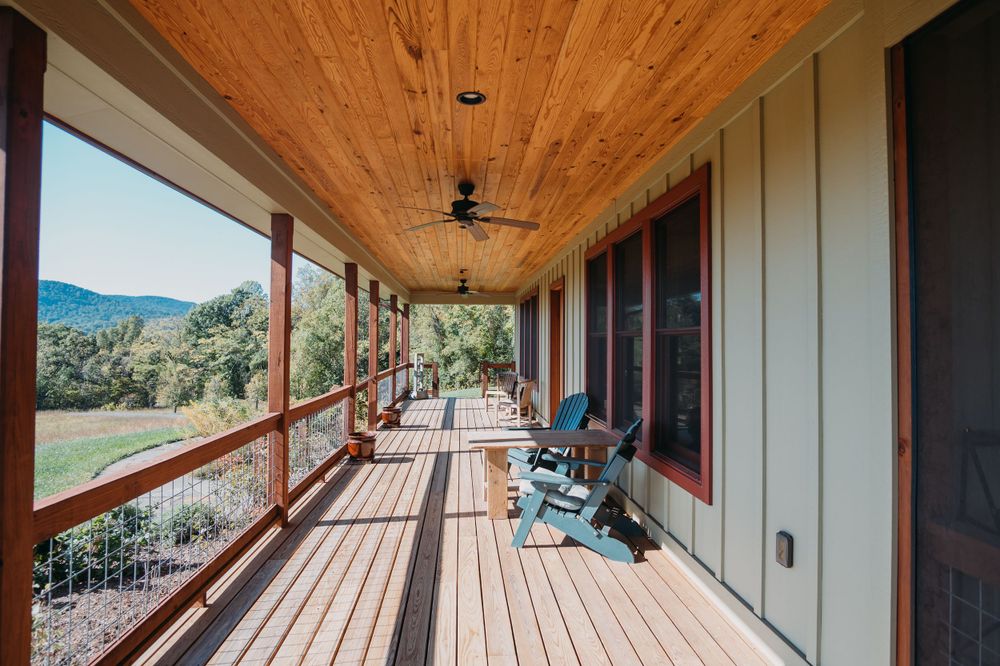
Our recent home build included this stunning porch overlooking the majestic Shenandoah Mountains. Crafted with precision and elegance, this tranquil retreat seamlessly blends modern design with nature's grandeur, offering an idyllic space to relax and immerse in Virginia's breathtaking landscapes.
6. Hiring the Right Professionals
Building a dream home is a team effort, and selecting the right professionals is crucial. In Rappahannock County, this means finding architects, builders, and contractors who are not only skilled but also familiar with the local environment and building codes. Look for a team that communicates effectively and shares your vision.
This includes architects who can translate your ideas into a viable design, builders who source the best materials and employ skilled tradespeople, and contractors who manage the project efficiently. Check their credentials, ask for references, and review their portfolios of completed projects. The right team will help you navigate through the complexities of construction, permits, and inspections, ensuring a smoother building process.
7. Understanding the Climate and Weather Patterns
Rappahannock County's climate can present unique challenges and opportunities in home construction. The region experiences a range of weather conditions, from hot summers to cold winters. Your home design should accommodate these variations. This includes considering insulation for energy efficiency, HVAC systems suited to both warm and cold weather, and durable materials that can withstand local weather conditions.
Additionally, think about the orientation of your home - maximizing sunlight exposure during the winter can reduce heating costs, while shading and ventilation can keep the house cool in the summer. Understanding and preparing for local weather patterns will not only make your home more comfortable but also more sustainable and cost-effective in the long run.
8. Planning for the Future
When designing your home, it's important to consider not just your current needs, but also how they might change in the future. If you're a young family, consider space for growing children or a home office if you plan to work remotely.
For those nearing retirement, accessibility and low-maintenance features might be key considerations. Think about the potential for future expansions or modifications - is there room on your property for additions? Are the home's design and structure flexible enough to accommodate changes? Planning for the future also means considering the home's resale value. Even if you plan to stay long-term, it's wise to make decisions that will appeal to future buyers.
9. Incorporating Local Culture and Style
Embracing the local culture and style in your home's design can add a unique charm and sense of place. Rappahannock County is rich in history and local traditions, which can be reflected in your home. This could mean using traditional building materials or techniques, incorporating design elements characteristic of the area, or even landscaping with native plants.
It's also an opportunity to support local artisans and craftspeople. Visit local galleries, workshops, and historical sites to gather inspiration and find unique pieces that give your home a personal and local touch. This approach not only makes your home more aesthetically pleasing but also helps to preserve and promote the region's cultural heritage.
10. Regular Communication and Oversight
Active involvement and regular communication throughout the construction process are key to realizing your vision for your home. This means regular check-ins with your architect, builder, and contractors. Make sure you're up to date with the project's progress, understand any challenges that arise, and are part of the decision-making process.
It's also important to visit the site regularly to see the progress for yourself and to ensure that the construction aligns with your expectations. Keep detailed records of all communications, agreements, and changes. This not only helps in maintaining clarity throughout the project but also ensures that you have a reference if any disputes arise. Regular oversight will help you stay on top of the project, leading to a smoother construction process and a home that truly reflects your desires and needs.
We're Here to help
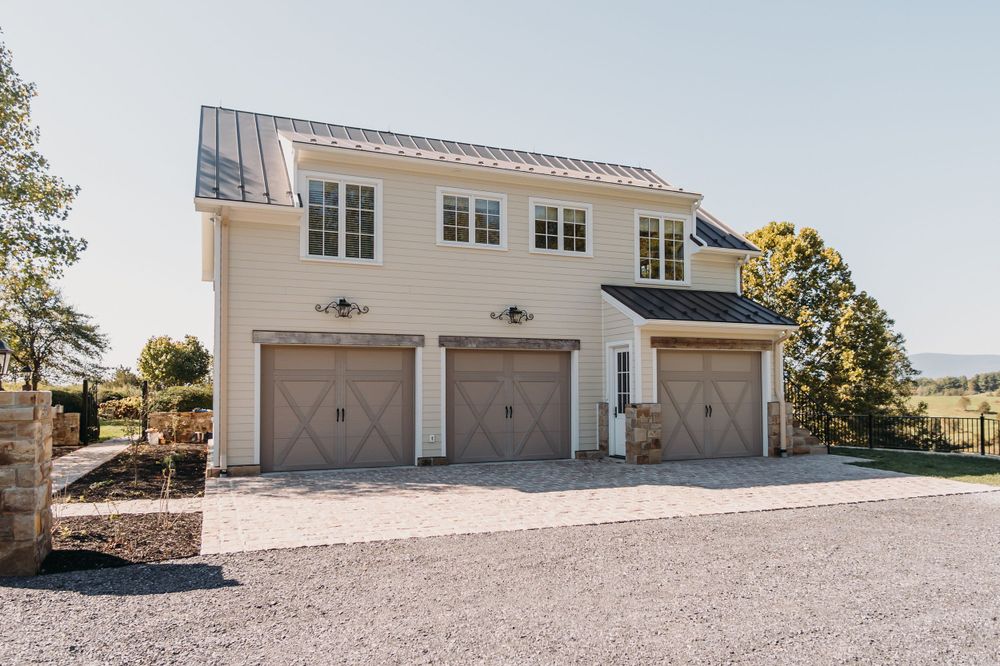
Building a new home in Rappahannock County, VA, is an exciting venture that requires careful planning and consideration. By taking into account these ten critical factors, you can ensure that your dream home is not only a beautiful and comfortable space but also a perfect fit for the unique landscapes and lifestyle of Rappahannock County.
If this process seems overwhelming, have no worries. Racer Construction is here to help. As an all-in-one builder, Racer Construction offers and refers comprehensive services to handle every aspect of your home-building project. From initial planning and design to construction and finishing touches, our experienced team will guide you through each step, ensuring a seamless and stress-free experience. With Racer Construction, you can relax knowing that your dream home is in capable hands.
Remember, this journey is not just about constructing a building; it's about creating a space that reflects your dreams, needs, and the wonderful spirit of Rappahannock County. Happy home building with Racer Construction!